


The Essence of Printing and Design
Blending creativity with precision
Printing and graphic arts embody a perfect union of artistic vision and technical mastery. What began as a manual process of transferring ink to surfaces has evolved into a sophisticated discipline that bridges design, color theory, and advanced machinery. At its core, printing represents a dialogue between creativity and engineering—a process that transforms abstract ideas into tangible, visual communication. The artistry lies not only in the aesthetic presentation but also in the precision with which every element is produced, from the fine alignment of text to the balance of hues and tones. Together, these facets form a craft that continues to evolve with technological progress, offering limitless potential for visual expression.
Design as the Foundation of Printing
The importance of visual communication
The art of design serves as the foundation upon which every successful print project is built. Experienced graphic designers carefully compose layouts that capture the essence of a message and reflect the identity of the intended audience. Through thoughtful choices in typography, color harmony, and imagery, they ensure that every piece—from informative leaflets to professional stationery—achieves its communicative goal. The process is not solely aesthetic; it requires a deep understanding of how visual hierarchy guides perception. Effective design invites engagement, ensuring that printed materials are not only beautiful but also clear, meaningful, and memorable.
The Role of Technology in Modern Printing
From traditional presses to digital innovation
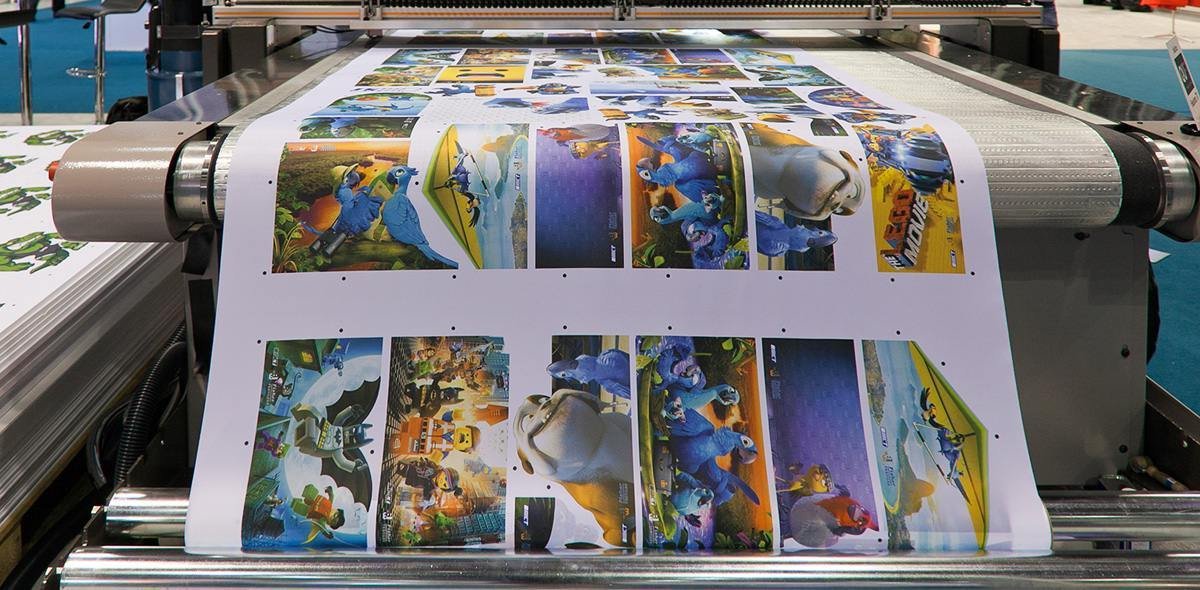
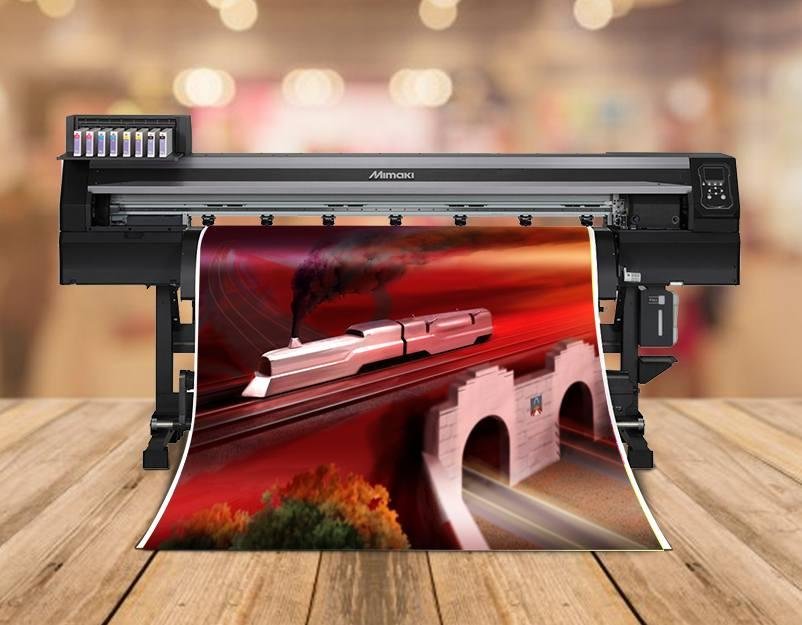
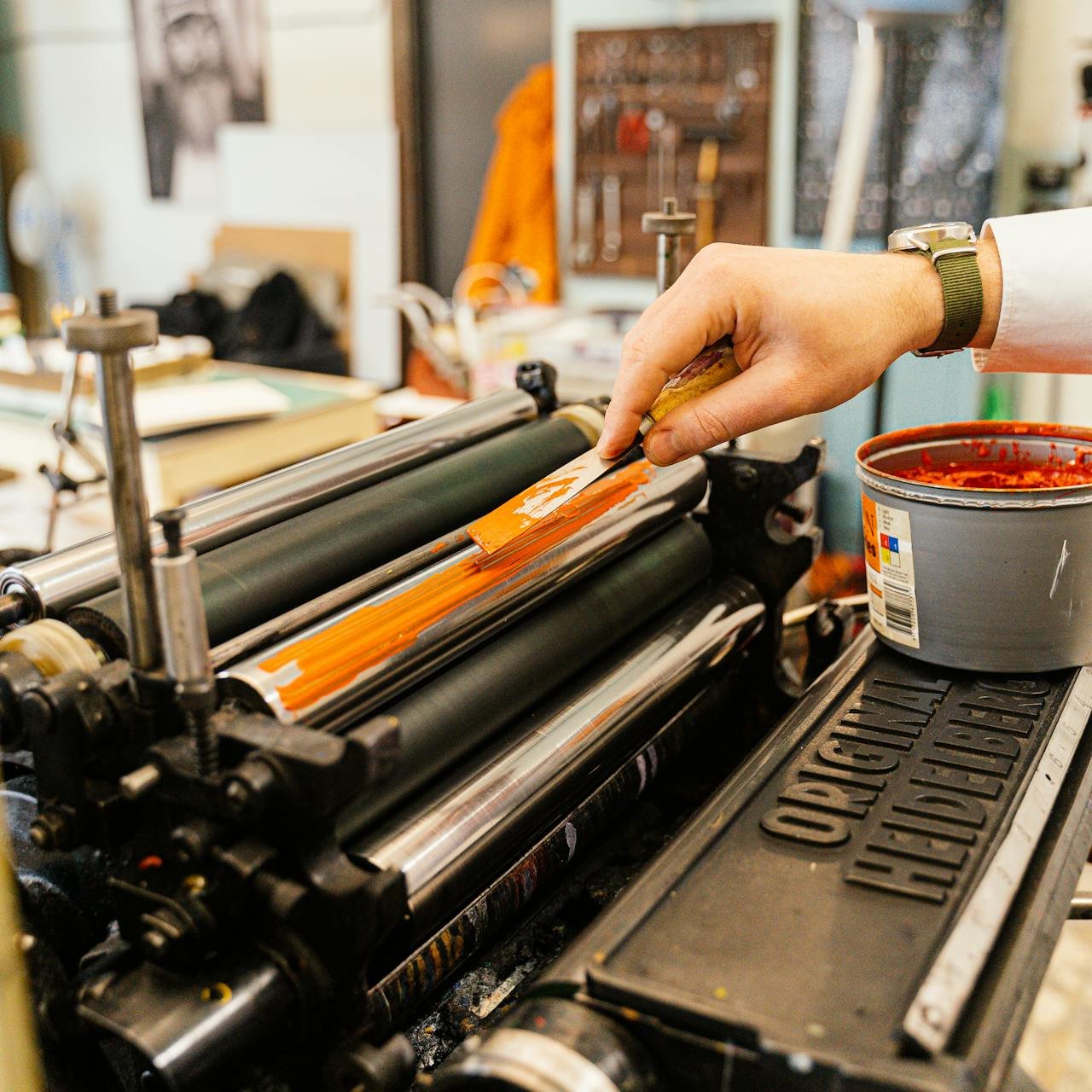
The printing process has transformed dramatically through the centuries. Traditional techniques, such as offset lithography, rely on transferring ink through a series of rollers, ensuring uniformity and precision in every impression. This method remains favored for large-scale production due to its reliability and color consistency. In contrast, digital printing introduces remarkable flexibility, allowing images and text to be reproduced directly from digital files. This innovation minimizes setup time and opens possibilities for short-run and customized printing. The coexistence of these technologies underscores how craftsmanship and innovation complement one another in achieving efficiency without sacrificing quality.
Selecting the Perfect Paper
How material choices shape the final result
The choice of paper profoundly influences the visual and tactile qualities of printed materials. Designers and printers evaluate multiple characteristics—texture, opacity, density, and finish—to align the substrate with the project’s purpose. A smooth, glossy paper accentuates vibrancy and sharpness, ideal for marketing visuals, while a matte surface conveys elegance and restraint, suitable for formal publications. Paper density, measured in grams per square meter (gsm), also determines the material’s durability and feel. A well-chosen paper not only enhances color reproduction but also contributes to the perception of quality, professionalism, and permanence in the final product.
Finishing Techniques and Their Impact
Adding refinement through tactile enhancement
Beyond printing, finishing processes elevate the aesthetic and sensory appeal of printed works. Techniques such as embossing, foiling, and spot varnishing introduce depth, texture, and contrast. Embossing raises selected elements, producing a subtle tactile dimension. Foiling applies metallic highlights, drawing attention to key features with reflective brilliance. Spot varnishing, by selectively applying gloss or matte coating, defines focal points and enriches the composition. Each finishing technique demands precision and a keen understanding of materials. When applied thoughtfully, these methods transform a printed item into a sensory experience—an object that appeals not only to the eye but also to the touch.
The Discipline of Color Management
Ensuring harmony and accuracy in reproduction
Color is one of the most vital elements in printing, and managing it requires scientific accuracy. Printers rely on calibrated systems to maintain color fidelity from the digital design stage through to the final output. Even subtle deviations can alter the emotional tone or clarity of a design. Modern color management involves the careful alignment of monitors, printers, and inks to standardized color profiles, ensuring consistency across all media. This technical discipline reflects the balance between artistic intention and mechanical precision—a hallmark of excellence in graphic arts production.
Quality Control at Every Stage
Maintaining excellence through inspection and precision
Quality assurance is the silent guardian of every successful print project. Specialists monitor production closely, assessing test sheets for alignment, sharpness, and tonal balance. Automated systems support this process, scanning for imperfections and maintaining uniformity throughout a print run. However, human expertise remains irreplaceable in identifying nuanced irregularities that machines might overlook. From prepress calibration to postpress trimming and binding, meticulous oversight ensures that the final product meets the highest professional standards. Such attention to detail safeguards not only the integrity of the printed piece but also the reputation of the craft itself.
Printing as a Continuing Evolution
Where art and science converge for the future
The world of printing continues to evolve, integrating advancements in digital imaging, eco-friendly inks, and sustainable materials. Yet, despite technological transformation, the essence of the craft endures—a dedication to clarity, precision, and artistry. Each print, whether a vibrant poster or a minimalist publication, represents the outcome of countless decisions informed by both creative insight and technical expertise. As printing technologies advance further, the discipline stands as a testament to the enduring relationship between human creativity and mechanical innovation. It remains both an art form and a science—an ever-evolving medium shaping how ideas are seen, shared, and remembered.






09.29.2025
The Evolution of Printing Technologies: Past to Present